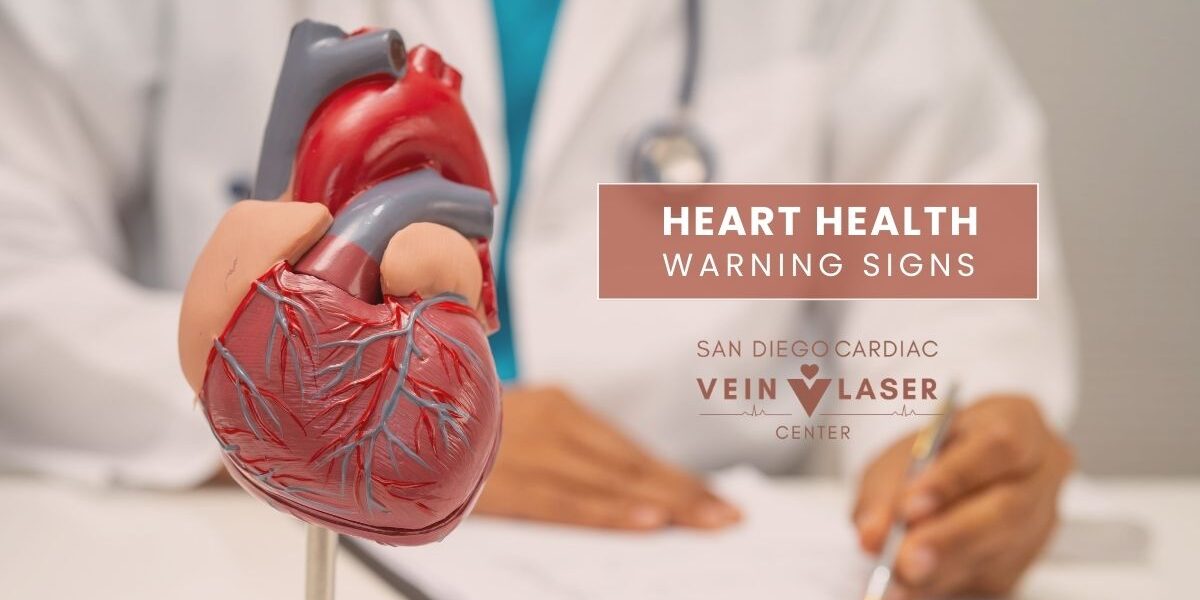
Heart Health Warning Signs: When to See a Cardiologist
At San Diego Cardiac, Vein & Laser Treatment Center, interventional cardiologist Dr. Behzad Taghizadeh focuses on early diagnosis, prevention, and advanced cardiology care to help patients protect their long-term heart health.
Common Signs of Heart Problems
Heart issues do not always appear suddenly. Many symptoms develop gradually and may seem minor at first. Paying attention to these changes can help identify potential problems early.
Chest Pain or Pressure
One of the most recognized warning signs of heart problems is chest discomfort. It may feel like pressure, tightness, heaviness, or burning in the chest. In some cases, the pain may spread to the neck, jaw, shoulder, or back.
Chest pain can sometimes be related to reduced blood flow to the heart and should always be evaluated by a medical professional.
Shortness of Breath
Difficulty breathing during normal activities or feeling winded without exertion can indicate the heart is struggling to pump efficiently. Shortness of breath may occur during exercise, while lying down, or even at rest.
Irregular Heartbeat or Palpitations
Occasional heart palpitations are common, but frequent or prolonged episodes may signal an abnormal heart rhythm. Conditions such as Atrial Fibrillation can cause the heart to beat irregularly and increase the risk of stroke or other cardiovascular complications.
Dizziness or Fainting
Feeling lightheaded or fainting may occur when blood flow to the brain temporarily decreases. These symptoms can sometimes be linked to abnormal heart rhythms or other cardiovascular concerns.
Unusual Fatigue
Persistent fatigue or a sudden decrease in exercise tolerance may indicate the heart is not pumping blood effectively. Many patients report feeling unusually tired long before a cardiovascular condition is diagnosed.
Swelling in the Legs or Feet
Swelling in the ankles, legs, or feet may occur when fluid builds up in the body. Circulatory problems or heart function issues can sometimes contribute to this symptom.
Advanced Cardiology Testing for Early Detection
Early detection plays a key role in maintaining good heart health. At San Diego Cardiac, Vein & Laser Treatment Center, Dr. Taghizadeh uses advanced diagnostic tools to evaluate heart function and detect potential problems before they become serious.
Some of the most common cardiology diagnostic tests include:
Echocardiogram
An echocardiogram uses ultrasound technology to create images of the heart. This test allows doctors to evaluate heart muscle function, valve performance, and overall cardiac structure.
Stress Testing
A treadmill stress test measures how the heart performs during physical activity. It can help detect reduced blood flow to the heart or possible blockages in coronary arteries.
Holter Monitoring
Holter monitors are wearable devices that continuously record heart rhythm over 24 to 48 hours. This helps identify irregular heartbeats that may not appear during a routine exam.
Vascular and Carotid Ultrasound
Ultrasound imaging can evaluate blood flow through arteries and identify potential circulation issues that may increase cardiovascular risk.
Preventive Cardiology and Long-Term Heart Health
Protecting your heart is not only about treating existing conditions—it is also about prevention.
Preventive cardiology focuses on identifying risk factors early and helping patients reduce their chances of developing serious cardiovascular disease. Regular screenings, lifestyle improvements, and proper medical monitoring can significantly improve long-term heart health.
Dr. Taghizadeh works with patients to develop personalized care plans designed to support healthy circulation, heart rhythm, and cardiovascular function.
When to See a Cardiologist
If you are experiencing symptoms such as chest discomfort, shortness of breath, irregular heartbeats, dizziness, or unexplained fatigue, it may be time to consult a cardiology specialist.
Early diagnosis and proactive care can help prevent minor heart issues from becoming serious health conditions.
Your heart supports every part of your body. Paying attention to warning signs and prioritizing regular cardiovascular care can help keep it strong and healthy for years to come.